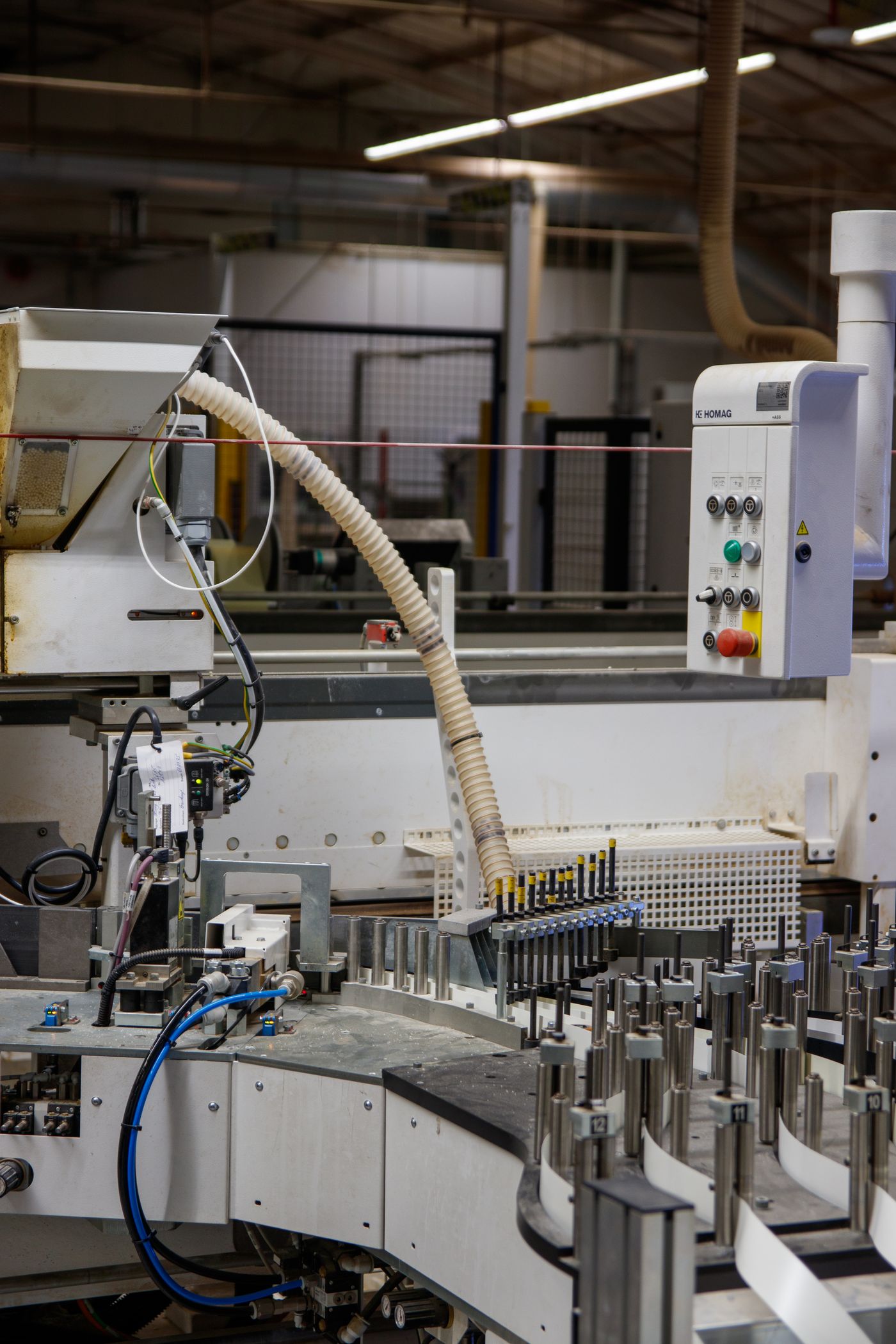
Secondary Packaging
Automatic Case Packing Systems
Flexible side-load and top-load solutions for cartons, pouches, bottles and bundled products.
Industrial Automation & Turnkey Systems
ARK V7 Automation designs packaging equipment, robotic cells, conveying systems and integrated production lines for manufacturers that need consistent output and clear project control.
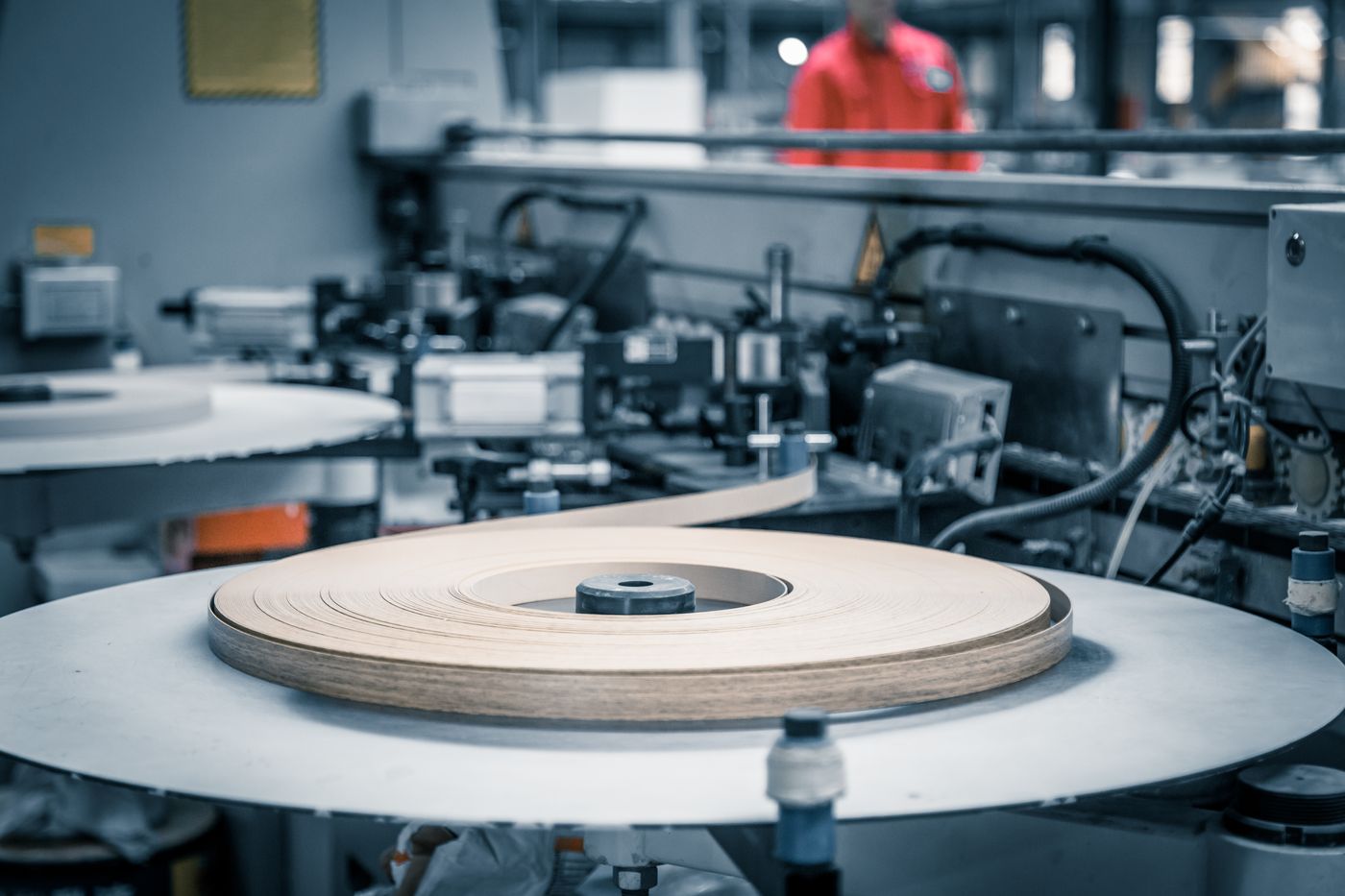
Industries Served
The same engineering framework can be adapted to different products, hygiene requirements, speeds and material-flow conditions.
Equipment Portfolio
Start with a proven machine platform or combine multiple stations into one coordinated production system.
Secondary Packaging
Flexible side-load and top-load solutions for cartons, pouches, bottles and bundled products.
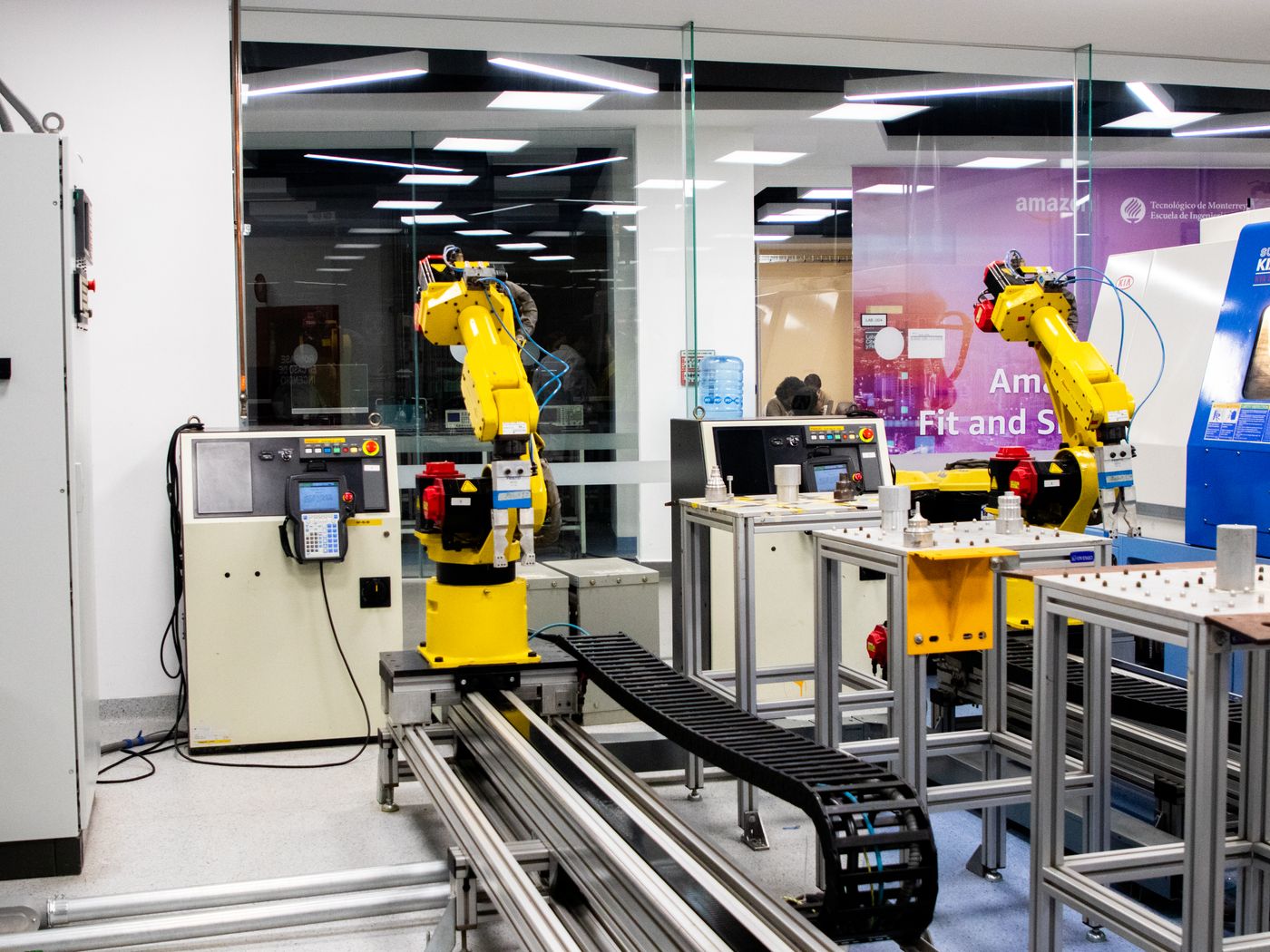
End-of-Line
Compact robot cells with grippers, safety systems and pallet handling for multiple SKUs.
Quality Assurance
Camera-based inspection for labels, codes, caps, fill levels, dimensions and product presence.
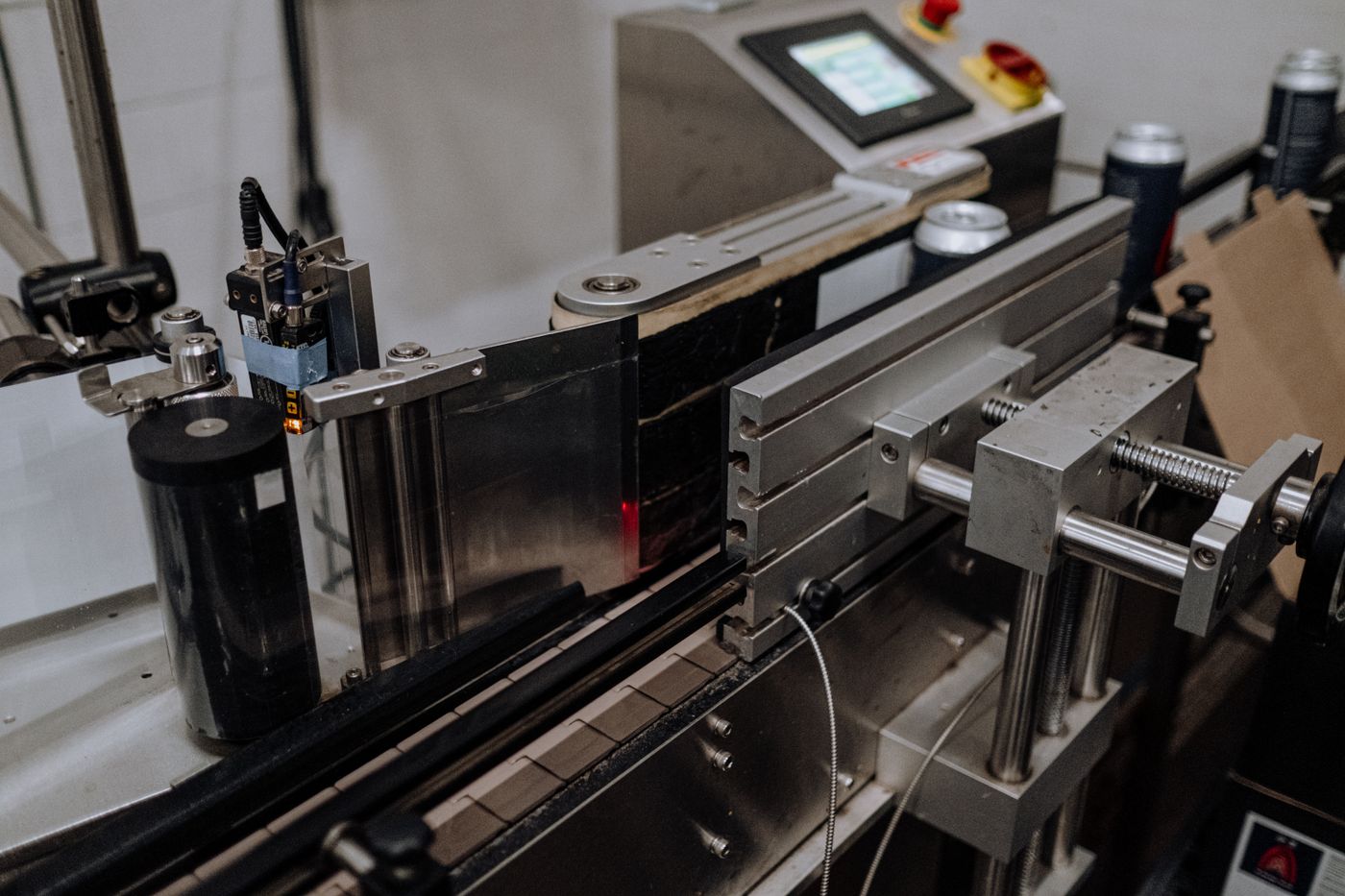
Identification
High-speed labeling, date coding and traceability integration for modern packaging lines.
Material Flow
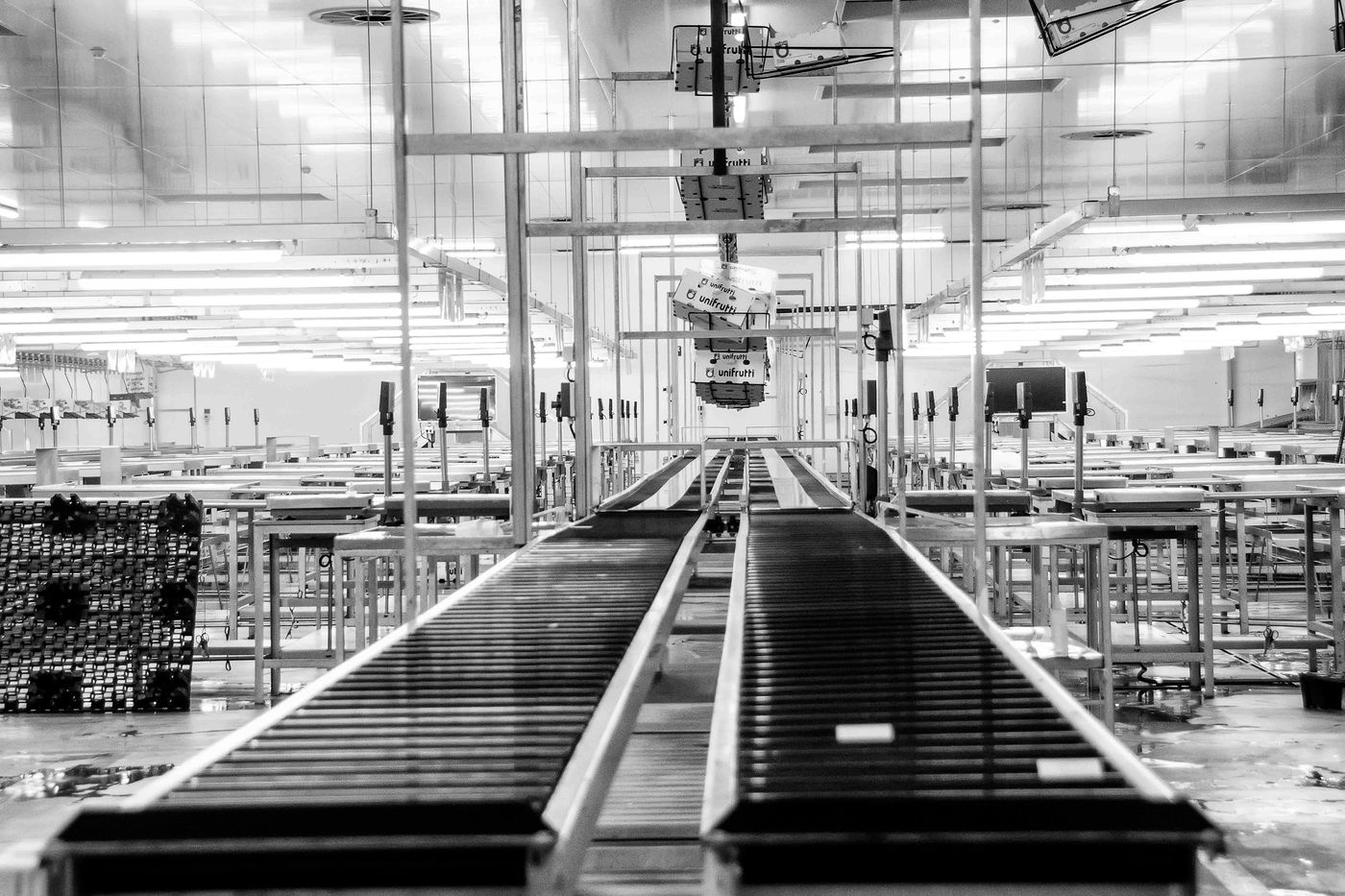
Straight, curved, elevating and accumulation conveyors designed around real factory layouts.
Line Integration
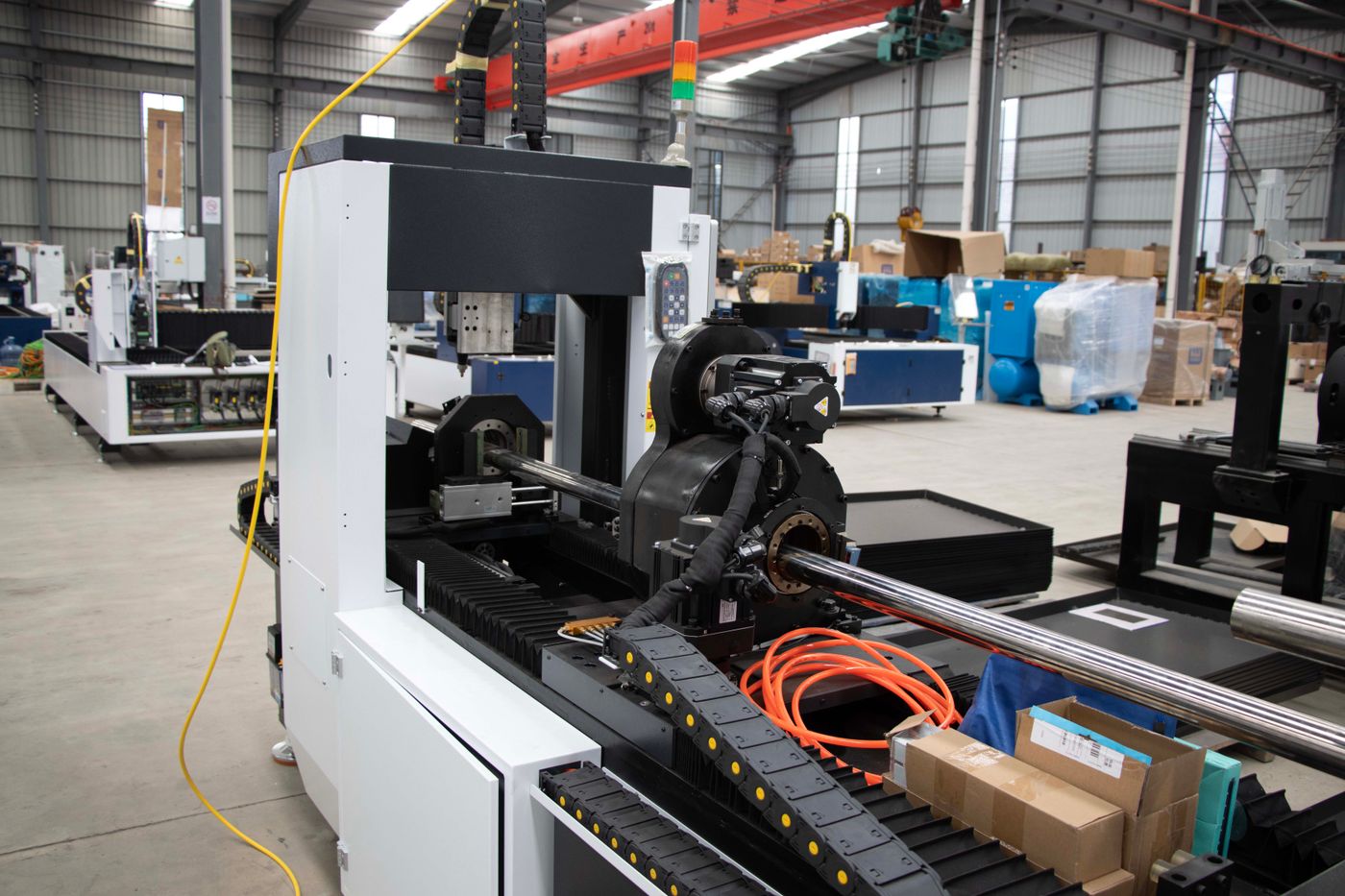
PLC, HMI, servo, safety and production-data integration for individual machines or complete lines.
Engineering Capacity
These demonstration figures show how capacity, delivery experience and international service can be presented without overcrowding the page.
Automation engineering and equipment manufacturing.
Machines, robot cells and integrated lines.
Assembly, controls integration and FAT space.
Documentation and service for international projects.
Why ARK V7 Automation
Each proposal connects machine configuration, project checkpoints, maintainability and after-sales support to the buyer’s actual production conditions.
Machine configuration begins with product dimensions, target speed, pack pattern, available floor space and operating conditions.
Layout, interface list, drawings, software functions and FAT criteria are confirmed before each major manufacturing stage.
Components, access points, guarding and controls are selected with maintenance, changeover and future expansion in mind.
Documentation, remote diagnostics, spare-parts planning and on-site commissioning can be aligned with the destination market.
Project Risk Control
Quoted speed does not reflect real product handling
Test representative samples and define speed together with reject rate, accumulation and changeover assumptions.
Interfaces between machines are unclear
Create an interface list covering signals, heights, product transfers, safety zones and responsibility boundaries.
Installation delays production start-up
Complete FAT, utility checks, site-preparation lists and remote pre-commissioning reviews before shipment.
Manufacturing and Testing
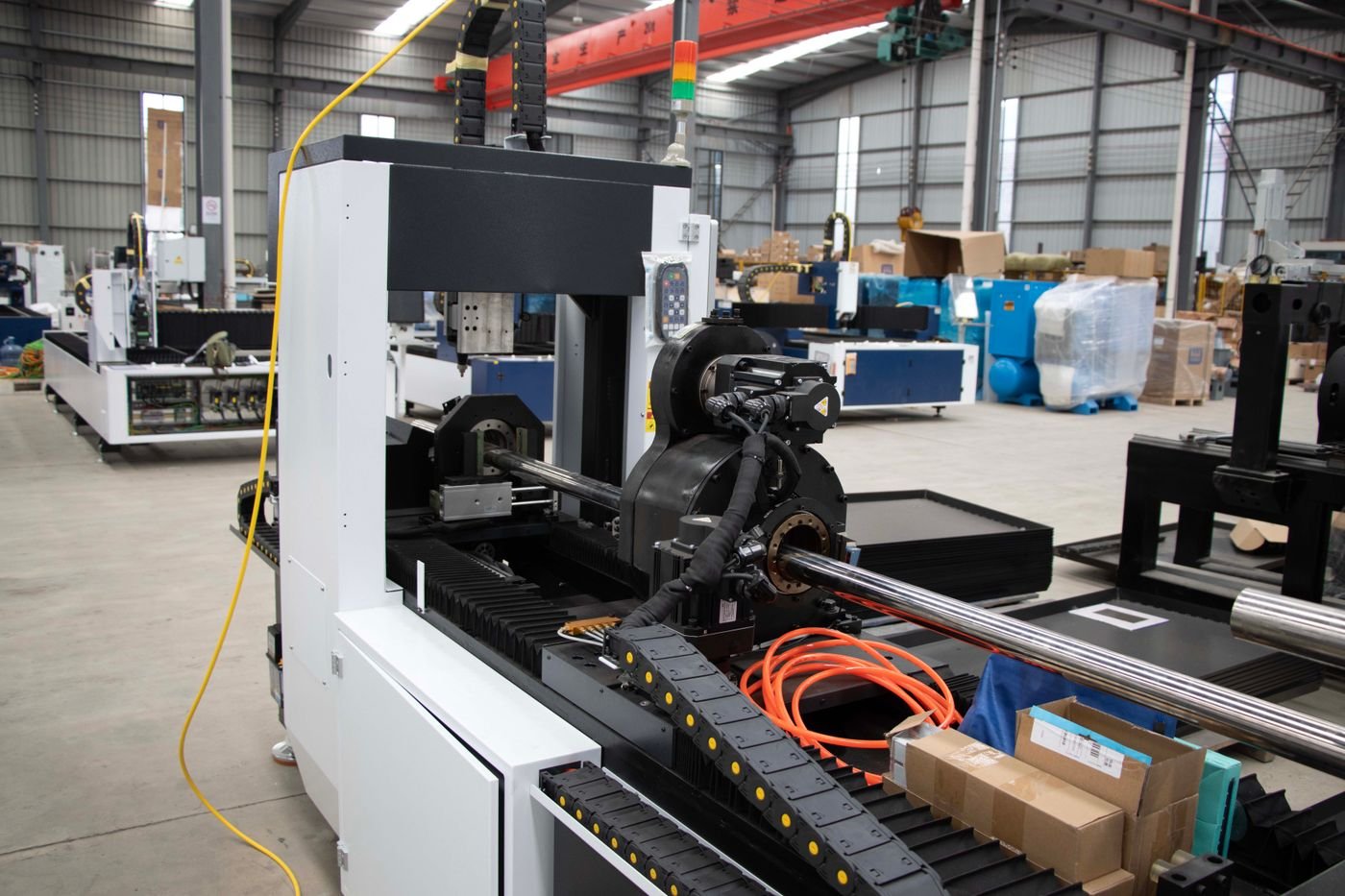
Mechanical design, electrical integration, software, assembly and testing follow an approved technical specification. Buyers can review project checkpoints instead of relying on a generic factory claim.
Confirm products, process, interfaces, access and factory constraints.
Coordinate drawings, components, safety, recipes and line behavior.
Test agreed functions, output, faults, safety and project documents.
Compare Automation Levels
| Project Factor | Standalone Machine | Integrated Cell | Turnkey Line |
|---|---|---|---|
| Best for | One defined process | Several coordinated operations | Complete production flow |
| Controls | Local PLC/HMI | Cell-level coordination | Line supervisory control |
| Project scope | Machine supply | Machine, guarding and interfaces | Design, integration and commissioning |
Project Delivery Process
Each stage produces a clear technical decision, reducing surprises during manufacturing, installation and ramp-up.
Confirm product, packaging, speed, utilities, line interfaces and site constraints.
Develop equipment selection, process flow, preliminary layout and project boundaries.
Approve drawings, component standards, controls, guarding and acceptance criteria.
Fabricate, assemble, wire and program equipment under one controlled schedule.
Run agreed tests, close punch-list items and prepare shipment documentation.
Commission the system, train operators and provide ongoing technical support.
Project Case
The customer needed one coordinated system for carton handling, code inspection, case packing and palletizing while keeping changeovers manageable for several product formats.
Customer Perspective
The team converted our product list and floor-space limits into a clear layout, then tracked every interface through FAT.
Operations Manager Food Manufacturer, Europe
Changeover access, spare parts and remote support were discussed before the order, not after the machine arrived.
Engineering Director Consumer Goods, Middle East
The project documents made installation far easier for our local electrical and mechanical contractors.
Project Integrator North America
Technical Documents & Certifications
Engineering Guides
Use selection criteria, project inputs and FAT checkpoints to compare proposals on the same technical basis.
Selection Guide
Compare product handling, pack pattern, speed, changeover and line-integration requirements.
Project Planning
A clear input checklist for layout, utilities, controls, product flow and acceptance criteria.
FAT Checklist
Use defined products, speeds, alarms and safety checks to make FAT a useful project gate.
Automation Project FAQ
Clear product data, layout information and acceptance criteria help suppliers prepare a useful technical proposal instead of a generic price sheet.
Please share product dimensions and weight, current packaging, target speed, required pack pattern, available layout, utilities, destination standard and any upstream or downstream equipment.
Usually yes, within a defined operating range. The proposal should identify no-tool adjustments, change parts, recipe settings and the expected changeover time.
A factory acceptance test is prepared around the agreed products, speed, functions, alarms, safety checks and documentation. Customer samples are strongly recommended.
Remote guidance and on-site commissioning can be planned according to project scope, location and local contractor capability.
Siemens, Allen-Bradley and other internationally supported platforms can be discussed. Final selection depends on destination standards and the customer’s maintenance preference.
Plan Your Automation Project
Send sample photos or videos, packaging dimensions, output requirements and available layout. The engineering team will identify the next technical questions and a practical system direction.